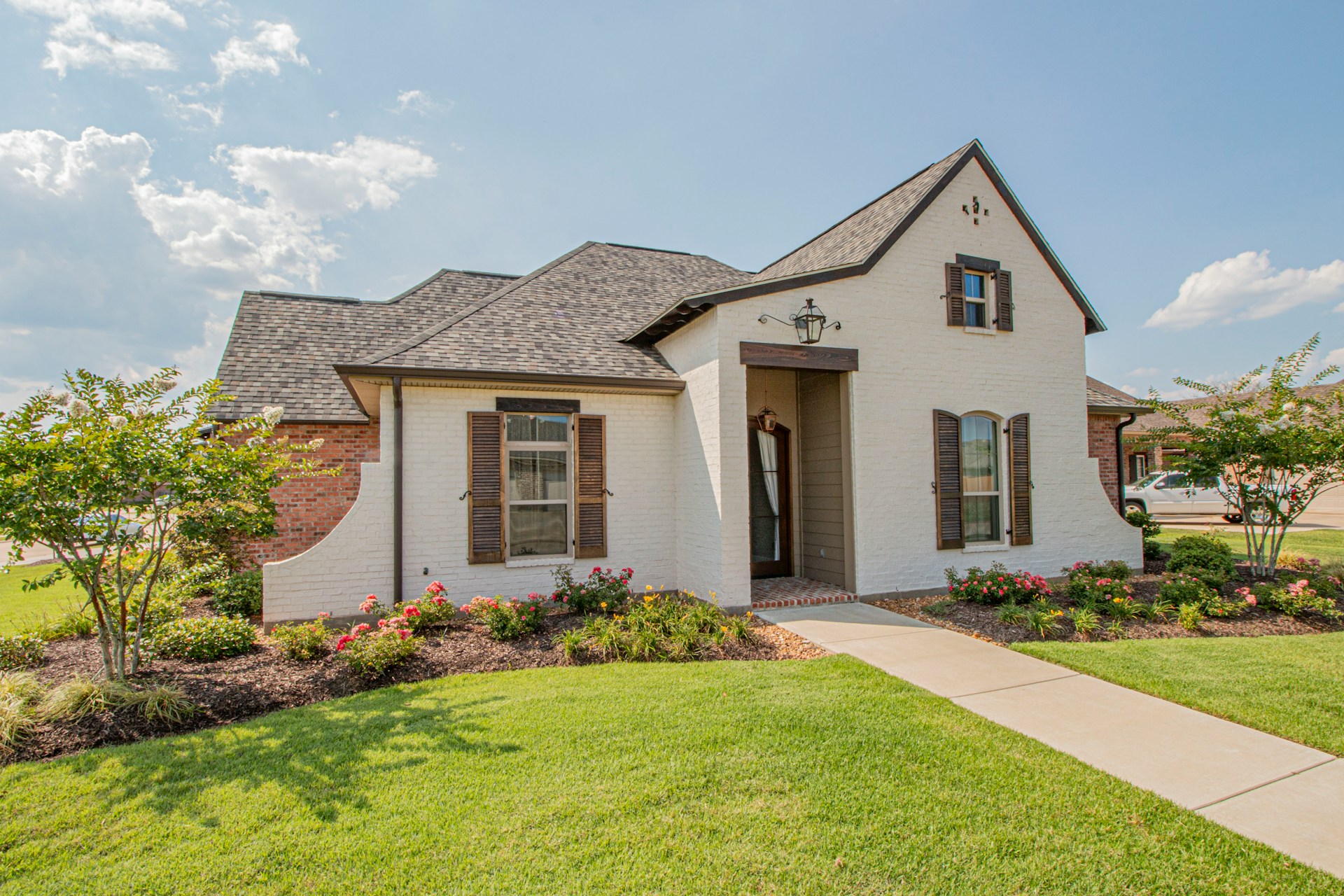
If you bought your first place in Orange County a few years back and you are now eyeing something bigger — a four-bedroom in Irvine, a place with a yard in Tustin, a home closer to the beach in Newport — there is a good chance your next loan crosses into jumbo territory. And the moment it does, the rules of the game shift. As a local broker, I spend a lot of my week walking move-up buyers through exactly what that means, because the mortgage you used for your starter home and the mortgage you will need now are two different animals.
Here is the straight version, without the sales gloss.
A jumbo loan is simply any mortgage that exceeds the conforming loan limit set each year by the Federal Housing Finance Agency — the ceiling above which Fannie Mae and Freddie Mac will not buy the loan. For 2026, the baseline conforming limit for a one-unit home is $832,750 across most of the country. But Orange County is designated a high-cost area, so it gets a higher ceiling. For 2026, the high-balance conforming limit for a single-family home in Orange County is $1,249,125.
That number matters more than most buyers realize, because it creates three tiers, not two. Loans up to $832,750 are standard conforming. Loans between $832,750 and $1,249,125 are what we call high-balance or super-conforming — still backed by Fannie and Freddie, still relatively easy to qualify for, sometimes at a small rate premium. Only when your loan amount climbs above $1,249,125 do you enter true jumbo territory, where the loan is held by a bank or private investor instead of the agencies.
Why does this hit move-up buyers so squarely? Because the math of Orange County pushes you there. The typical Orange County home value sits at roughly $1.19 million as of mid-2026. Put 20 percent down on a $1.5 million move-up home and your loan is $1.2 million — just under the jumbo line. Put 10 percent down, or shop a little higher, and you are firmly in jumbo. First-time buyers often skate under these limits with an FHA or conforming loan. Move-up buyers, trading equity into a pricier home, almost always brush up against them.
Because there is no government agency standing behind a jumbo loan, the lender carries the full risk. That single fact explains nearly every way jumbo underwriting is stricter. Expect the following to be tighter than they were on your first mortgage.
Conforming programs let some buyers put down as little as 3 to 5 percent. Jumbo lenders typically want more skin in the game — commonly 10 percent, and often 20 percent or more once you get well into seven figures. There are 10-percent-down jumbo programs out there, but they come with stricter credit and reserve requirements, and not every lender offers them.
You can land a conforming loan with a mid-600s score. For jumbo, most lenders want to see 700 or higher, and the best terms usually go to borrowers in the mid-700s and up. Your score does not just open the door here — it moves the pricing.
This is the requirement that surprises people most. On top of your down payment and closing costs, a jumbo lender will often want to see reserves — liquid savings equal to several months, sometimes six to twelve months, of full mortgage payments — sitting in the bank after you close. On a large payment, that can be a meaningful chunk of cash. It is worth planning for early.
Conforming loans can stretch debt-to-income ratios into the mid-40s with the right profile. Jumbo underwriters tend to be more conservative, often looking for a DTI at or below 43 percent, and they will document your income thoroughly. Self-employed move-up buyers should expect a closer look at two years of returns.
Some jumbo programs require two independent appraisals rather than one, especially on higher loan amounts or unique properties — and plenty of Orange County homes are genuinely unique. Build a little extra time into your escrow for this.
Here is a piece of local strategy I give nearly every move-up buyer: if you can structure your purchase so the loan lands at or under $1,249,125, you may be able to use a high-balance conforming loan instead of a true jumbo. That can mean an easier approval, lower reserve requirements, and sometimes better pricing. Occasionally it is worth putting a slightly larger down payment on the table to drop below that line — the underwriting relief can outweigh the extra cash. Whether that trade makes sense depends on your full picture, and it is exactly the kind of thing worth modeling out before you write an offer.
A few things I tell Orange County move-up buyers to do before they fall in love with a listing. First, get fully pre-approved, not just pre-qualified — jumbo sellers and their agents in this market take documented buyers far more seriously. Second, do not touch your reserves. It is tempting to move savings around before a big purchase, but a lender wants to see stable, seasoned funds. Third, be honest with yourself about the payment, property taxes, and any Mello-Roos or HOA dues, which are common in newer Orange County communities and can add real monthly cost on top of principal and interest.
And do not assume jumbo automatically means a worse rate. Depending on the market and your profile, jumbo pricing can land right alongside conforming — sometimes even a touch lower — because lenders compete hard for well-qualified, high-balance borrowers. There are no guarantees on rate, and pricing moves daily, but the old idea that jumbo is always more expensive simply is not a rule you can count on either way.
Moving up in Orange County usually means moving into jumbo or high-balance financing, and the buyers who handle it best are the ones who understand the tiers before they start touring homes. Know where the 2026 lines sit — $832,750 for standard conforming, $1,249,125 for high-balance in Orange County, and true jumbo above that — and you can shop with a real strategy instead of a surprise at the underwriting table.
If you are thinking about a move-up purchase and want to know exactly which tier your numbers land in, let us map it out together. I will show you what the down payment, reserves, and monthly picture actually look like for the homes you are considering, and get you pre-approved so you can make a strong offer. Reach out to get pre-approved or just to talk through your options — no pressure, just a clear plan.
— Rob Tennyson
Loan limits and program guidelines referenced here are for 2026 and are set by the FHFA and individual lenders; they are subject to change and vary by property type and number of units. This article is for general educational purposes and is not a commitment to lend or an offer of a specific rate or program.
All loans are subject to credit and property approval. Rates, programs, terms, and conditions are subject to change without notice.