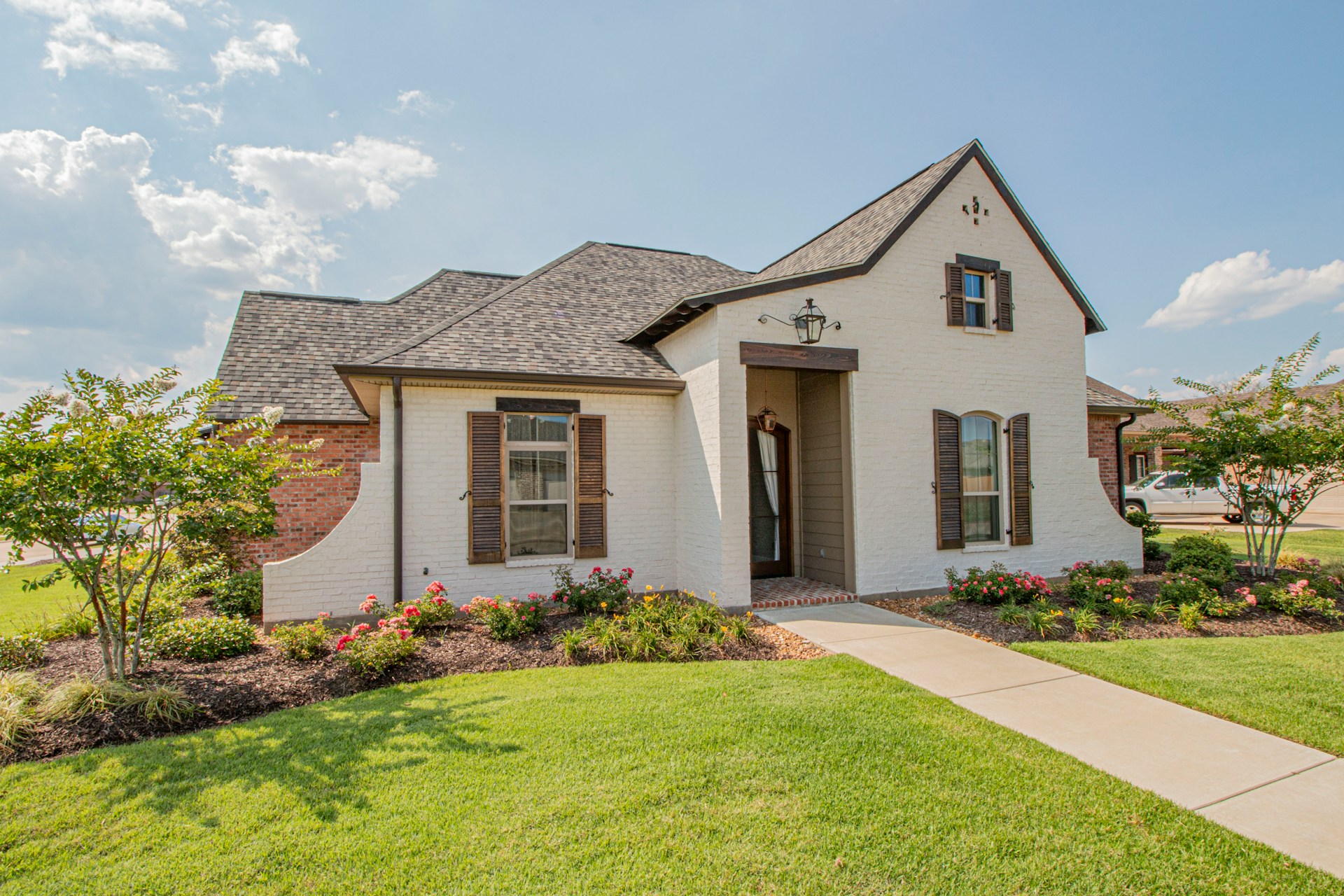
Flipping a house in Orange County is a different sport than flipping one in Riverside or Bakersfield. When the median home value sits at roughly $1.2 million, the checks you write for the purchase, the rehab, and the carrying costs are large enough that the way you finance the deal often decides whether you walk away with a profit or a lesson. I talk to a lot of would-be flippers who have the vision and the contractor lined up but assume they will just get a mortgage like they did on their own home. That is where the trouble starts.
Here is the honest broker version of how fix-and-flip financing actually works in this market, what lenders are really looking at, and where I see deals fall apart.
A conventional mortgage is built for someone who plans to live in a home, or at least hold it as a long-term rental, and pay it down over 15 or 30 years. It underwrites you — your income, your debt-to-income ratio, your tax returns. It also assumes the house is livable on day one, which a lot of flip candidates are not. A property with a gutted kitchen, no working plumbing, or foundation issues will often fail the appraisal condition requirements for a conventional or FHA loan before you even get to the money conversation.
On top of that, conventional financing is slow. In a county where a well-priced fixer can draw multiple offers in a weekend, a 30-to-45-day conventional close will lose to the investor who can move in a week. Flippers need speed and they need a loan that is comfortable lending against a house that is, frankly, in rough shape. That is a completely different product.
Fix-and-flip loans — sometimes called hard money or bridge loans — are short-term, asset-based loans. The lender is underwriting the deal more than the borrower. They care about what the property is worth today, what it will be worth after the renovation, and whether your budget and timeline are realistic. Because the loan is secured by real estate with a lot of built-in equity, the lender can close fast and lend on a property no bank would touch.
The single most important figure in a flip loan is the after-repair value, or ARV — what the home will realistically sell for once the work is done. Most fix-and-flip lenders will lend up to roughly 65% to 75% of the ARV, and many will separately finance a large share of your renovation budget, commonly in the range of 85% to 95% of project cost for experienced borrowers. In plain terms: if a tired Anaheim three-bedroom will be worth $900,000 fixed up, a lender working at 70% of ARV is comfortable with total exposure around $630,000 across purchase and rehab, and expects your equity and skin in the game to cover the rest.
This is why padding your ARV is the most common way flippers talk themselves into a bad deal. If your comps are aspirational rather than real, every number downstream is wrong. Good lenders will order their own valuation and quietly protect you from your own optimism.
Fix-and-flip money is not cheap, and anyone who tells you otherwise is selling something. In the current market, interest rates on these loans commonly land in the low double digits — roughly 9% to 13% or higher depending on your experience, the loan-to-value, and the property. You will also typically pay 1.5 to 3 points up front (a point is 1% of the loan amount), plus the usual processing and closing costs.
Terms are short — usually 6 to 18 months, with 12 months being the most common. Most are structured as interest-only during the project, with the full principal due as a balloon payment when you sell or refinance. The math only works because you are not supposed to hold the loan long. Every extra month you carry the property eats directly into your margin, which is exactly why timeline discipline matters more than shaving a fraction off the rate.
Beyond ARV, expect a fix-and-flip lender to weigh a few things. Your experience is a big one — a borrower with a track record of completed flips gets better pricing and higher leverage than a first-timer, because the lender is betting on execution. Liquidity matters too; lenders want to see that you have reserves to handle a surprise, because in an older OC home there is always a surprise behind the drywall. And they will scrutinize your rehab budget and scope to make sure the plan actually supports the ARV you are claiming.
Credit still counts, but not the way it does on a conventional loan. A rough patch on your credit report is not automatically disqualifying when there is real equity in the deal. This is one reason experienced investors and self-employed borrowers who get frustrated with conventional underwriting often find asset-based lending far more workable.
Say you find a dated single-family home in a solid Orange County neighborhood at $720,000, and comparable renovated homes nearby are selling around $950,000. You budget $110,000 for a cosmetic-to-moderate rehab and plan a four-month project. Between points, roughly a year of interest reserves you may not fully use, insurance, property taxes, and staging, your carrying and financing costs can easily run into the tens of thousands. Then you have selling costs — agent commissions, title, and closing — when you sell.
Stack all of that against your projected sale price and you quickly see why the purchase price is everything. Flips in this county rarely fail because the rehab went 10% over. They fail because someone paid too much going in, or the market cooled during the hold, or the timeline slipped from four months to nine. The financing structure does not create the margin — it either protects it or erodes it.
The patterns repeat. Overpaying at purchase because you fell in love with the property. Underbudgeting the rehab, especially on older homes where electrical, plumbing, and permits in OC cities can add real time and cost. Ignoring the exit — you need a clear plan to either sell or refinance into a longer-term loan before the balloon comes due. And underestimating carrying costs in a high-priced market where every month of taxes, insurance, and interest is a meaningful number.
None of these are financing problems, but the right loan and an honest lender relationship give you the room to absorb a bad surprise without blowing up the deal.
If you have a genuine value-add property, a realistic ARV backed by real comps, a funded rehab budget, and a disciplined exit, a fix-and-flip loan can be exactly the tool that lets you compete in Orange County without tying up all your cash. If you are stretching your ARV to make the deal pencil, or you have no reserves for the inevitable surprise, the honest answer is that the numbers probably are not there yet — and I would rather tell you that before you close than after.
Every deal is different, and the structure that fits a seasoned investor doing their tenth flip is not the same one I would put a first-timer into. That is the whole point of talking it through with someone who does this locally.
Thinking about a flip in Orange County? Let's run your actual numbers before you make an offer. Contact Rob Tennyson to get pre-approved and structure financing that fits your deal and your exit — reach out today and let's see if the project pencils.
All loans are subject to credit and property approval. Rates, programs, terms, and conditions are subject to change without notice. Fix-and-flip and hard money loan terms vary by lender, borrower experience, and property; figures cited reflect general market conditions and are not an offer or commitment to lend.