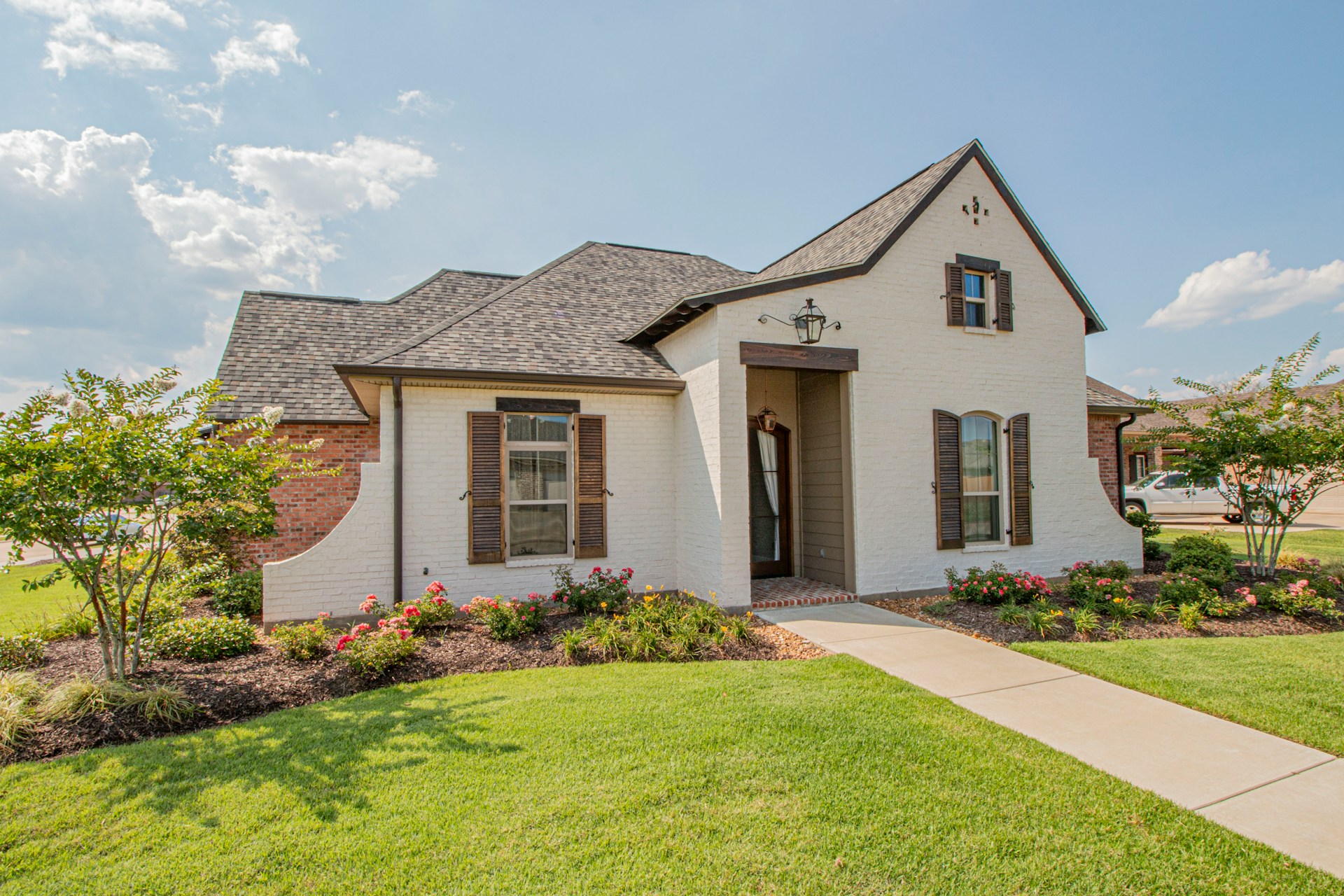
If you own a home in Orange County, you are sitting on one of the most expensive pieces of dirt in the country. The average OC home value crossed roughly $1.19 million in the middle of 2026, up about 2.2% over the prior year. That kind of equity has a lot of owners asking a very practical question: can I turn part of my lot into income instead of just watching the number on a home-value app climb?
That is where the accessory dwelling unit comes in. The ADU, or what people used to call a granny flat or a backyard cottage, has gone from a zoning headache to a genuine opportunity, because California has spent the last several years knocking down the local rules that used to make these units nearly impossible to build. But an ADU is still a construction project attached to a real mortgage, and the financing is where most people either get it right or get burned. Let me walk you through how it actually works.
There is no single "ADU loan." What you actually have is a handful of tools, each with real trade-offs. Here is how I frame them for clients.
These are the two heavyweights, and they share one very useful feature: they let you borrow against the after-completion value of your property, not what it is worth today. In plain English, the appraiser estimates what your home will be worth once the ADU is finished, and your loan is sized off that higher number. For a backyard unit that adds real square footage, that can be the difference between a project that pencils out and one that does not.
The FHA 203(k) is the more forgiving of the two on credit. Generally a 580 score gets you in the door, and the down payment can run as low as 3.5%. The trade-offs are FHA mortgage insurance, which tends to stick around, and the fact that FHA will not finance anything it treats as a luxury. The Fannie Mae HomeStyle renovation loan typically wants a 620 score and around 5% down, but it is more flexible on what you can build, and it has been expanded specifically to make ADUs easier to finance. Fannie has also loosened how it counts future ADU rental income, which can help some borrowers qualify.
One honest caveat: both of these involve more paperwork than a standard purchase or refinance. Contractor approvals, draw schedules, inspections. It is a process. Worth it for many owners, but go in with your eyes open.
If you already have a low fixed rate on your first mortgage, replacing it with a cash-out refinance in today's environment may not make sense. This is exactly the kind of math you do not want to eyeball. For a lot of OC owners who have both a mountain of equity and a great existing rate, a home equity line of credit, or a second mortgage, lets you tap equity for construction while leaving that first mortgage untouched. The trade-off is that you qualify on your current home value, not the after-build value, so the equity has to already be there. At Orange County price levels, for many owners it is.
For a larger, detached, ground-up ADU, a dedicated construction loan releases funds in stages as the build hits milestones, then converts to permanent financing when the unit is done. More moving parts, but often the right structure for building from scratch.
You have probably heard about the CalHFA ADU Grant, the program that offered up to $40,000 toward pre-development and closing costs. It was real, and it helped a lot of families. Here is the straight talk: as of 2026, that program's funding has been exhausted and it is not accepting new applications. It may be replenished in a future state budget cycle, and if it is, treat that as a bonus. Do not design your financing around a grant that is not currently open. I would rather you build a plan that stands on its own and be pleasantly surprised than count on money that may never arrive. Program availability changes, so verify the current status directly with CalHFA before you factor any grant into your numbers.
A couple of local details change the calculus here.
The loan limits work in your favor. Orange County is classified as a high-cost area, so the 2026 conforming loan limit runs up to $1,249,125 for a one-unit property, versus the $832,750 baseline that applies across most of the country. The FHA limit for OC lands at that same $1,249,125. That higher ceiling gives you more room to finance a home-plus-ADU project on conforming terms before you get pushed into jumbo territory. Loan limits are set each year and can change, so confirm the current figure when you apply.
Selling the ADU on its own is still mostly off the table here. There is a lot of buzz about AB 1033, the state law that lets homeowners sell an ADU separately as a condominium. The important footnote is that it only works if your city has adopted a local ordinance to allow it, and that adoption is optional for each jurisdiction. As of early 2026, only a handful of California cities, including San Jose, San Diego, Santa Monica, Santa Cruz, and San Francisco, had adopted it, and no Orange County city had. So for now, plan on your OC ADU as a rental or a family unit that adds value to your property, not as something you can subdivide and sell off tomorrow.
Rental income is real, and so are the costs. An ADU can produce meaningful monthly rent in this market, and lenders are increasingly willing to count that income when you qualify. Just budget honestly for the property taxes on the added value, insurance, permit and impact fees, and the reliable truth that construction almost always runs longer and costs more than the first quote.
The mistake I see most often is people falling in love with a design before they understand what they can finance. Do it in the other order. Figure out which loan structure fits your equity, your credit, and your existing rate first, and then design to that budget. A good mortgage broker can model two or three of these paths side by side so you can see the real trade-offs before you have spent a dollar on plans.
If you are an Orange County homeowner thinking about adding an ADU and you want a clear, no-pressure read on which financing path actually fits your situation, let's talk. I will walk you through the numbers honestly and help you get pre-approved so you know exactly what you are working with before you break ground. Reach out to get started.
All loans are subject to credit and property approval. Rates, programs, terms, and conditions are subject to change without notice.